
By Sergio Cayuela · New York, USA
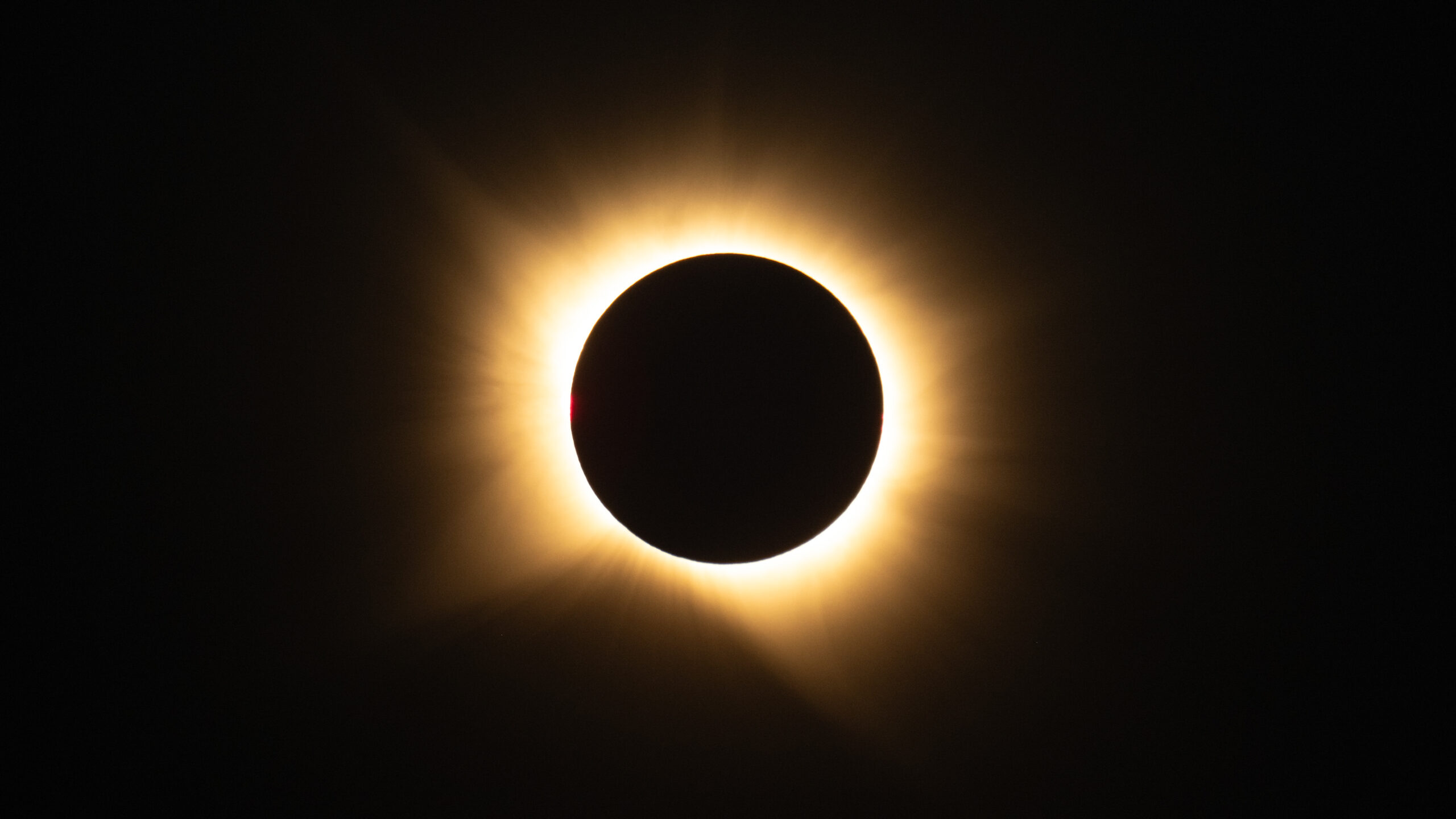
The total solar eclipse of August 12, 2026 was only the beginning. Following the huge public interest across the country, Spain is now experiencing an extraordinary sequence of three major solar eclipses in three consecutive years: 2026, 2027 and 2028.
𝗘𝗖𝗟𝗜𝗣𝗦𝗘 𝟮𝟬𝟮𝟲
Thousands gathered on beaches, at viewpoints and in open spaces to witness the eclipse as it crossed Spain from west to east in the late afternoon. The path of totality passed through parts of Galicia, Asturias, Castile and León, the Basque Country, La Rioja, Aragon, Catalonia and the Valencian Community, including Castellón and Valencia, before reaching the Balearic Islands.
𝗘𝗖𝗟𝗜𝗣𝗦𝗘 𝟮𝟬𝟮𝟳
The next major event will take place on August 2, 2027, when southern Spain takes centre stage. Cádiz, Málaga, parts of Granada and Almería, Ceuta and Melilla will lie within the path of totality.
At the best viewing locations in Spain, totality will last nearly five minutes. Unlike in 2026, the eclipse will occur in the morning, with the Sun much higher in the sky. Its duration and timing in the middle of summer could make Spain a major destination for astronomy enthusiasts and international visitors.
𝗘𝗖𝗟𝗜𝗣𝗦𝗘 𝟮𝟬𝟮𝟴: 𝗧𝗛𝗘 “𝗥𝗜𝗡𝗚 𝗢𝗙 𝗙𝗜𝗥𝗘”
Just six months later, on January 26, 2028, Spain will experience an annular solar eclipse. The Moon will not completely cover the Sun, leaving the spectacular “ring of fire” visible around it.
The path will cross the Iberian Peninsula from southwest to northeast, with Seville, Málaga, Murcia and Valencia among the cities where the annular phase will be visible.
Three years, three major eclipses and an extraordinary period to look up at the sky from Spain.
Photo Credit: NASA/Bill Ingalls