
Sergio Cayuela · Madrid, Spain · Images ESA
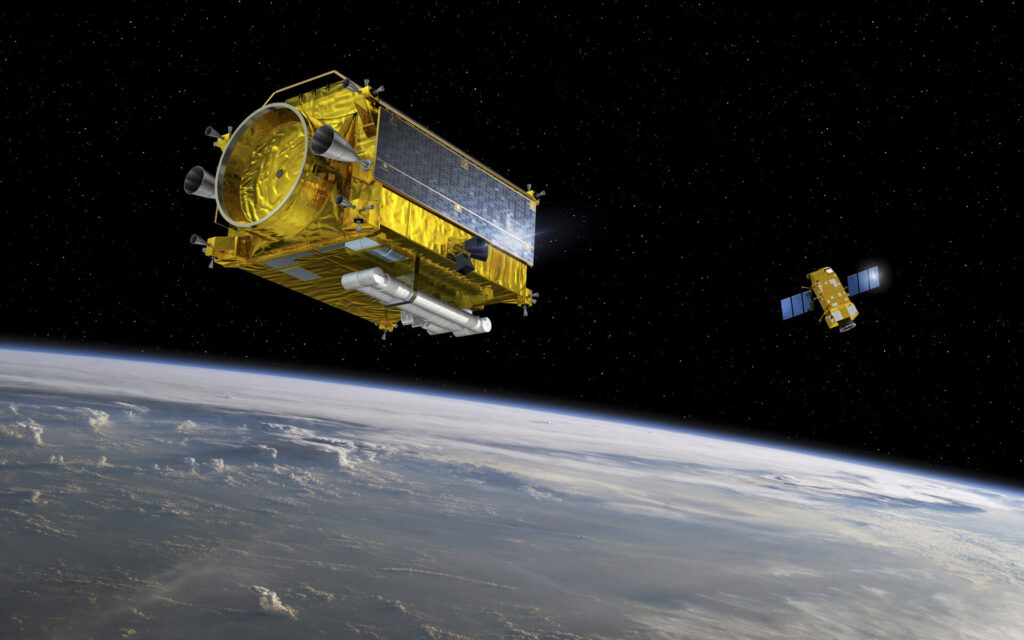
The European Space Agency (ESA) takes a decisive step in protecting the orbital environment with the activation of the ERASE mission (European Active Removal of Space Elements), an initiative focused on the active removal of space debris.
In a context of increasing saturation of Earth orbit, this mission marks a change of approach: moving from observing the problem to directly intervening in it.
The problem: an orbit at its limit
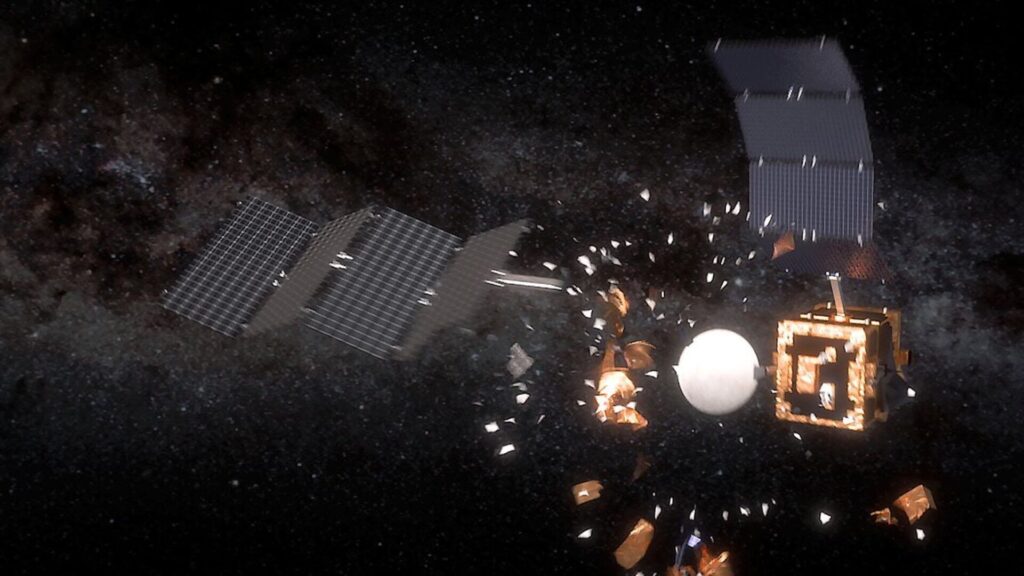
Thousands of inactive objects (out-of-service satellites, collision fragments, and launch debris) orbit the Earth at speeds exceeding 28,000 km/h.
This scenario increases the risk of chain collisions, known as the Kessler syndrome, a real threat to critical infrastructures such as:
- Communications
- Navigation systems (GPS)
- Earth observation
- Scientific and crewed missions
ERASE: technology to clean space
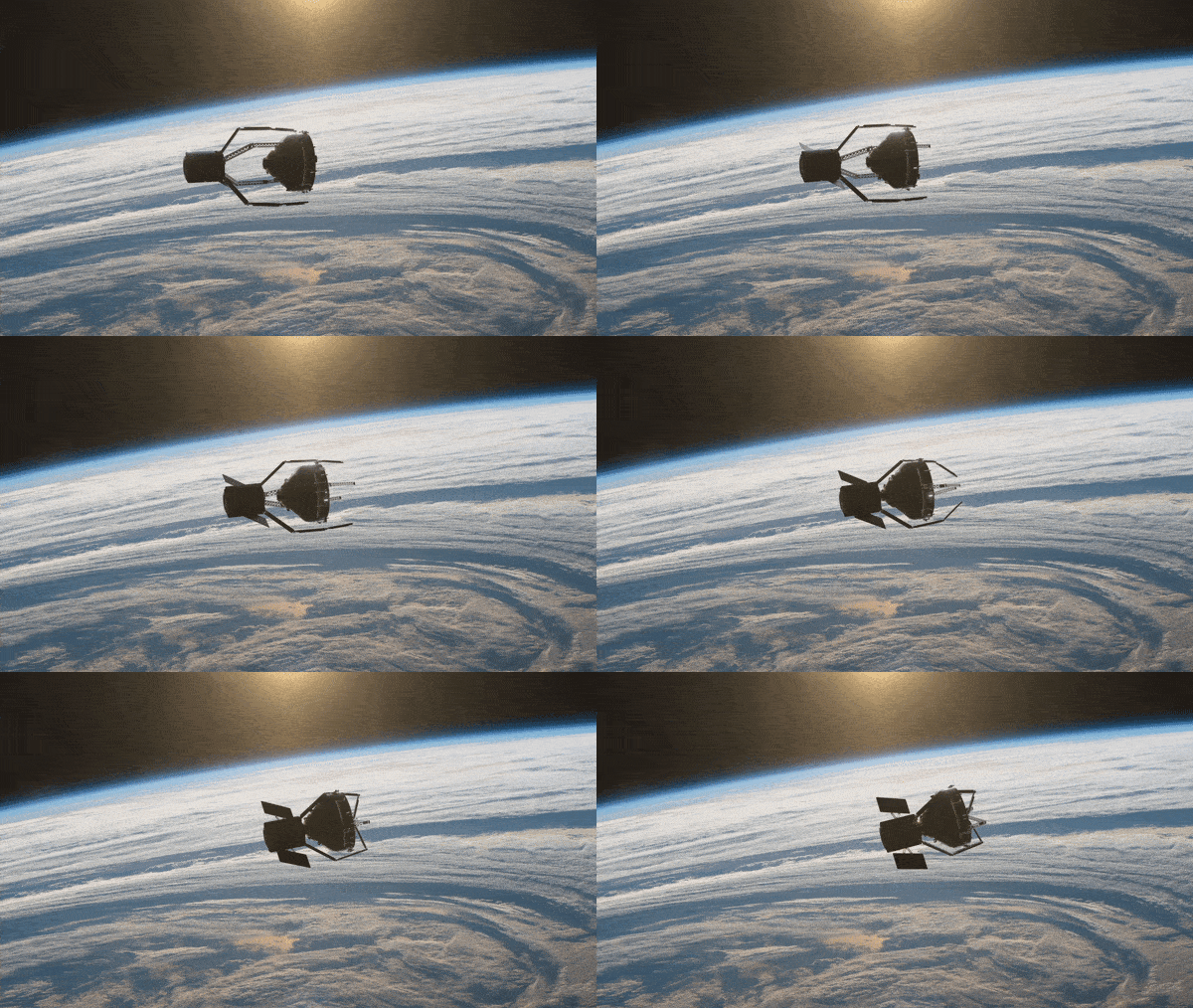
The ERASE mission includes the development of advanced technologies for the removal of space debris, including:
- Robotic capture arms
- Specialized nets
- Harpoon systems
- Controlled deorbiting maneuvers
The objective is clear: to reduce the number of dangerous objects and establish a sustained operational capability over time.
Europe strengthens its role in space
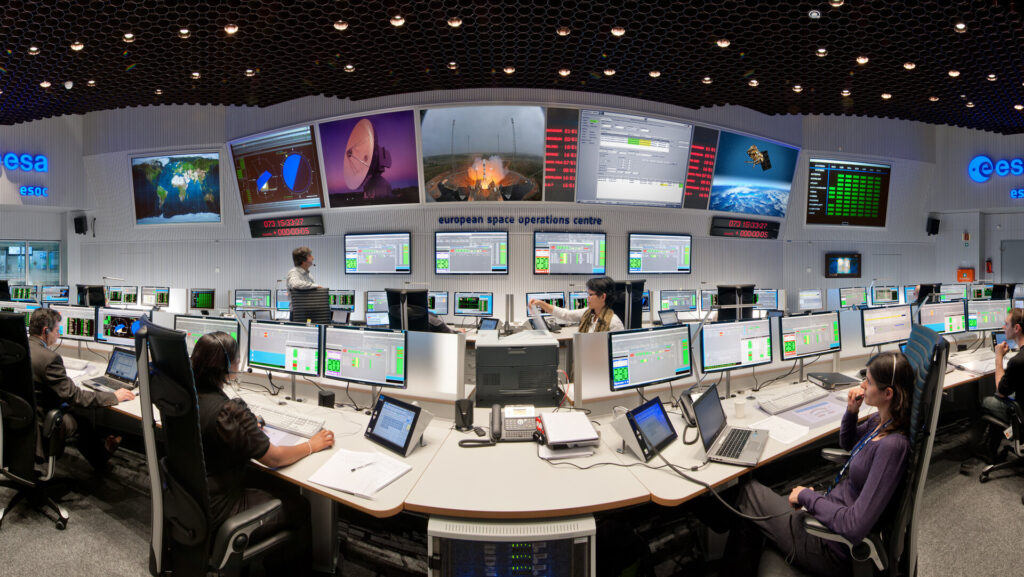
With this initiative, Europe strengthens its position in the responsible management of space, aligning itself with international strategies aimed at ensuring orbital sustainability.
ESA had already been working in this direction with programs such as Clean Space, but ERASE represents a step further: acting directly on the problem.
A global challenge
The removal of space debris is not only a technological challenge. It also involves:
- International coordination
- Development of legal frameworks
- Sustained economic investment
- Establishment of global standards
Space has become a strategic environment, and its preservation is key to the future of humanity.
Conclusion
The ERASE mission represents a direct response to one of the greatest current challenges in the space industry.
The future of programs such as Artemis will depend, to a large extent, on maintaining a safe, clean, and operational orbital environment.
Europe, with this initiative, takes a firm step in that direction.